


Nature is gay

Gay dolphins! Sex-changing fish! Pregnant male seahorses! Intersex butterflies!
How many times have we heard it from the homophobes: “Being gay is UNNATURAL!”
I hate to break it to these people, but the science just isn’t in their favor. There is gayness everywhere in nature. Gayness is as natural as can be, yet humans are the only species with homophobia. Now THAT is what’s unnatural: Bigotry.
Scientists have documented same-sex sexual behavior in more than 1,500 species of animals, and they believe that's just scratching the surface. That’s because for a long time, researchers weren't even looking for this behavior. Many observations were ignored, dismissed, or left out of scientific literature altogether because they didn't fit cultural expectations. Homophobia runs deep, even within the scientific community. But as time has progressed, we’re learning more and more about nature. We’re discovering the undeniable truth that nature is gay, and gayness is natural.
A note on language: I'm using the term "gay" to be synonymous with "same-sex attraction" here, which isn't always how this word is used. I've also used the word "queer" a few times to mean a similar sentiment.
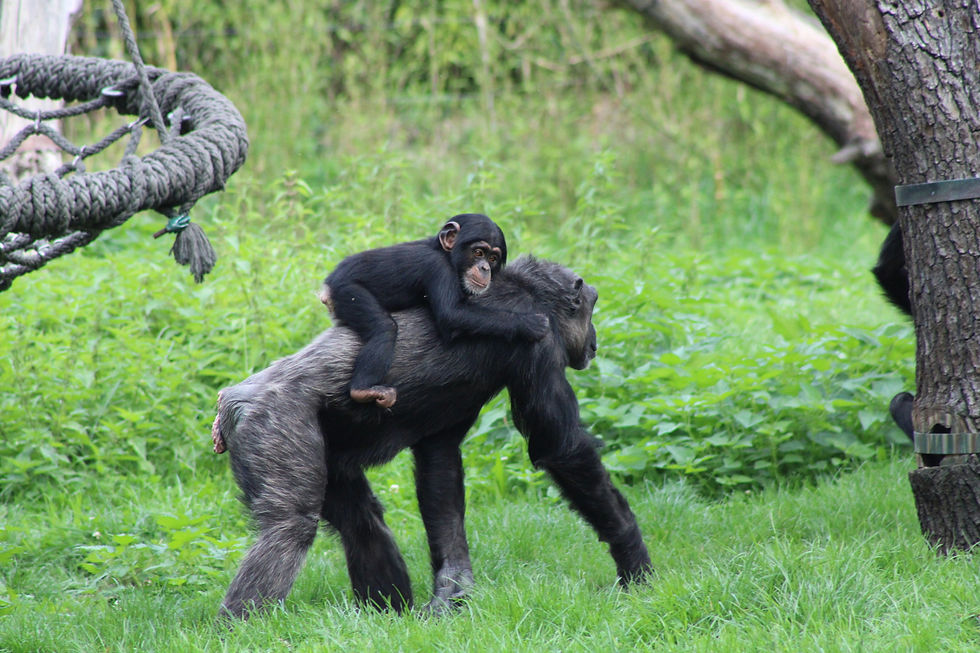
Why isn’t there much research on same-sex behavior in nature?
The answer is simple, really: Homophobia.
Historically, researchers have observed and documented animal behavior through a very specific lens. They’ve always viewed sex through a clinical, biological lens. Sex was primarily only viewed as a means of reproduction. Functional. If a behavior didn't directly produce offspring, many scientists just didn't consider it important or noteworthy.
On top of that, just add the centuries of cultural homophobia to the mix, and a lot of observations were "conveniently" overlooked to serve a different narrative.
But now, we’re finding out: Animals don't just have sex to reproduce. They form friendships, alliances, family groups, social bonds, and communities. They have sex for reasons beyond reproduction, and there’s far more to animals’ sexuality than just reproductive organs. Once scientists started paying attention to these behaviors and relationships, examples of queerness in nature started appearing everywhere. It’s undeniable: being gay is NATURAL.
So, what are the ways queerness show up in nature? Let’s get into it!
A real look at homophobic scientists when they realized that a ton of animals are gay 👇
Some animals exhibit same-sex sexual behavior
If someone tells you homosexuality doesn't exist in nature, show them this blog post.
Same-sex sexual behavior has been documented in mammals, birds, reptiles, amphibians, fish, insects, spiders, and even worms. Yes, worms.
Bonobos (a type of ape) are a great example of this because they are one of our closest living relatives. They live in female-led societies and use sexual behavior for everything from conflict resolution to social bonding. Researchers estimate that the majority of bonobos engage in bisexual behavior throughout their lives.
There are also giraffes. Studies have found that same-sex interactions between male giraffes are incredibly common (up to 90% of observed sexual activity in giraffes occurs between males).
Bison are another example. Among young males, roughly half of all mounting behavior (“mounting” is how scientists describe the behavior used for reproduction for bison) occurs between members of the same sex. In some populations, same-sex activity is actually observed more frequently than opposite-sex activity.
Other species that participate in same-sex sexual behavior include:
Lions
Orcas
Sheep
Swans
Fruit bats
Flamingos
Walruses
Penguins
The more scientists look, the more examples they find. And those scientific findings just can’t be denied, SORRYYYY!
Many animals have same-sex partnerships
Same-sex penguin couples have been documented all over the world. Male-male and female-female pairs have been observed building nests together, incubating eggs, and raising chicks. In some cases, same-sex penguin pairs have even adopted abandoned eggs and successfully raised the chicks as their own.

Albatrosses (which are famous for forming long-term monogamous partnerships), have also been seen forming female-female partnerships. Researchers found entire colonies where female albatross pairs were raising chicks together.
Dolphins are another example. Male bottlenose dolphins often form lifelong partnerships with other males. These relationships involve both non-sexual and sexual behaviors.
Some animals can change sex
More than 500 fish species can change sex during their lifetime.
For example, clownfish! You know, the fish that Nemo is?! Every clownfish begins life as a male. But within their social groups, the largest and most dominant fish become female. If that female dies, the dominant male undergoes hormonal and physical changes and becomes female.

And clownfish aren't alone. Other species capable of changing sex include:
Wrasses
Groupers
Gobies
Parrotfish
Angelfish
For these animals, sex shifts throughout their life depending on social structure, environmental conditions, or reproductive needs. SO COOL!
Intersex animals exist
Intersex is a broad term describing individuals born with biological traits that don't fit typical definitions of male or female. It can also sometimes be used to describe people with sex organs of both males and females.
Many worms are intersex, producing sperm and fertilizing their own eggs. This means they can reproduce without a mate!
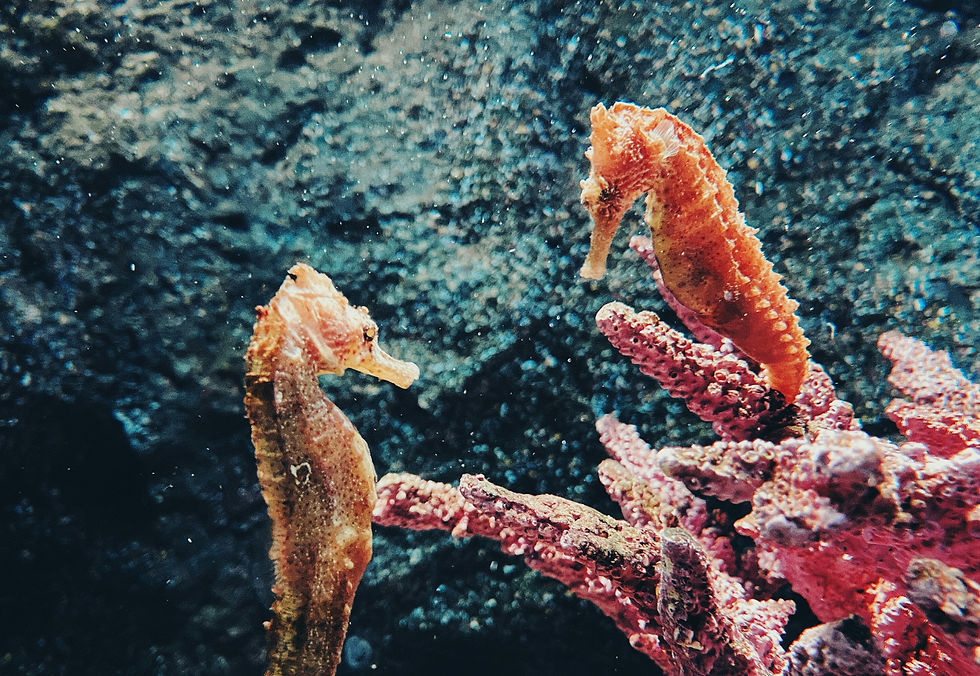
Some male animals can give birth, and some animals can reproduce without a mate. After mating, female seahorses deposit eggs into a specialized pouch on the male seahorse’s body. The male fertilizes the eggs, carries them during development, and eventually gives birth. Pipefish and seadragons also have forms of male pregnancy like this.
Some butterflies are gynandromorphs, meaning they display both male and female characteristics. In rare cases, one half of their body may exhibit male wing coloration while the other half displays female patterns. How beautiful!
Intersex bearded dragons have also been documented, and researchers have even identified beluga whales with reproductive anatomy associated with both sexes.
Biological diversity is often much more complex than the categories we as humans create.
Nature is gay, and it can’t be denied
When someone says being gay is unnatural, I can't help but laugh. Because it’s SO natural. The only unnatural thing here is homophobia.


Comments